PCOS care
PCOS Treatment in Hyderabad
PCOS is usually treated as a gynaecological problem, and it is not one. It is a metabolic and hormonal condition that shows up in the reproductive system: insulin resistance and raised androgens drive the irregular cycles, the weight that will not shift, the acne and the unwanted hair growth. Treating only the periods leaves the mechanism underneath untouched, which is why symptoms so often return.
Dr. Deepak Thiriveedi assesses PCOS from the endocrine side — confirming the diagnosis properly, ruling out thyroid and other hormonal causes that imitate it, and addressing the insulin resistance that drives most of the rest. He consults at AIG Hospitals, Gachibowli, and online.
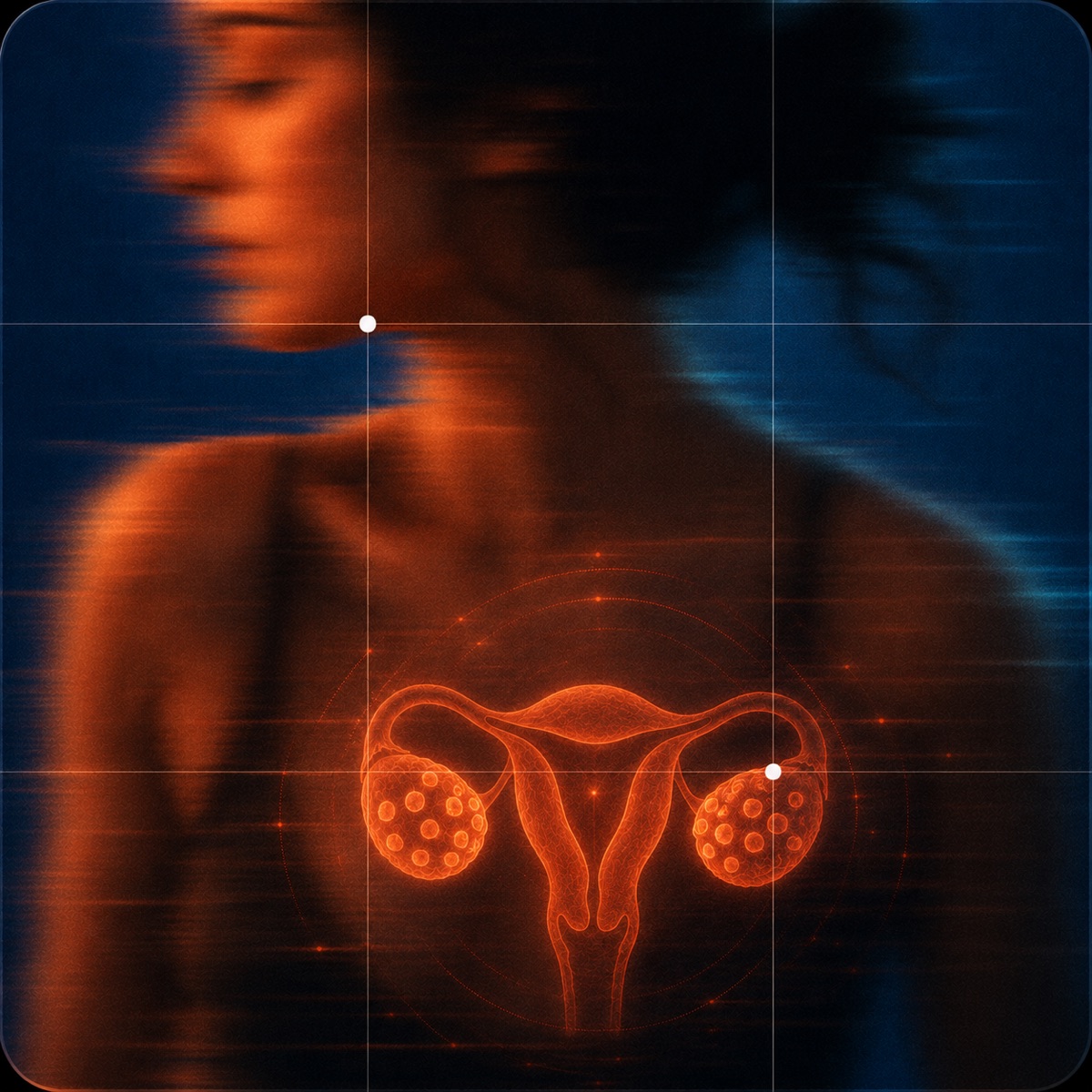
Signs that point to PCOS
- Periods that are irregular, infrequent, or have stopped
- Weight gain around the middle that is hard to lose
- Acne that persists past the teenage years
- Excess hair on the face, chest or abdomen
- Thinning hair on the scalp
- Difficulty conceiving, or a long time trying without success
What is treated here
Confirming the diagnosis
PCOS is over-diagnosed on a scan alone. A proper assessment separates it from thyroid disease, raised prolactin and adrenal causes that present the same way.
Insulin resistance
The metabolic engine behind most PCOS. Addressing it improves cycles, weight and skin together rather than one at a time.
Cycles and skin
Restoring regular periods, and treating acne and unwanted hair growth at the hormonal level rather than cosmetically.
Fertility and long-term risk
Ovulation support alongside gynaecology where pregnancy is the goal, and screening for the diabetes risk PCOS carries into later life.
What the consultation involves
- 01
A proper diagnosis first
Cycle history, examination, hormonal profile and ultrasound findings read together — not a label applied from one scan.
- 02
Finding the driver
Fasting insulin and glucose, thyroid, prolactin and androgens, so treatment targets the cause rather than the symptom list.
- 03
A plan you can keep to
Realistic dietary and activity change with medication where it earns its place, reviewed as your circumstances change.
Common questions
Should I see a gynaecologist or an endocrinologist for PCOS?
Both have a role, and which comes first depends on your goal. If you are trying to conceive, a gynaecologist leads. If the problem is irregular cycles, weight, acne, hair growth or your long-term diabetes risk, an endocrinologist is better placed, because those are driven by insulin and androgens rather than by the ovaries alone.
Is PCOS the same as PCOD?
The terms are used interchangeably in India, though PCOS — polycystic ovary syndrome — is the correct clinical name. What matters more than the label is whether the diagnosis was made properly, since thyroid disease and raised prolactin can produce a very similar picture and are treated quite differently.
Can PCOS be cured?
PCOS is managed rather than cured, but it responds well. Cycles, skin, weight and fertility all improve substantially when insulin resistance is addressed, and the improvement holds as long as the management does. It is a long-term condition, not a permanent sentence.
Will I be able to have children with PCOS?
Most women with PCOS do conceive, often with straightforward help. PCOS makes ovulation irregular rather than absent, and weight reduction, insulin-directed treatment and ovulation induction are all effective. Starting the assessment sooner rather than later gives the most options.
Get your PCOS assessed properly
In person at AIG Hospitals, Gachibowli, at the evening clinic, or by video consultation.